



Impregnating Resins

Specialist Manufacturer of Electrical Impregnating Resin Systems

Specialist Manufacturer of Electrical Impregnating Resin Systems

Bawa Polymers is an industrial resin manufacturer in India and trusted impregnating resin supplier, offering epoxy and polyester systems engineered for electrical insulation, long-term stability, and secure impregnation of coils, windings, and high-voltage components.

Polyester Impregnating Resins

Solventless Trickle Impregnating Resins

Benefits

Engineered Resins for Reliable Coil and Winding Impregnation

As an experienced impregnating resin manufacturer, Bawa Polymers formulates high-bond strength impregnating resins and epoxy resin for electrical insulation that enhance dielectric strength, mechanical rigidity, and thermal endurance in demanding electrical machines and power equipment.

Deep Penetration and Secure Bonding

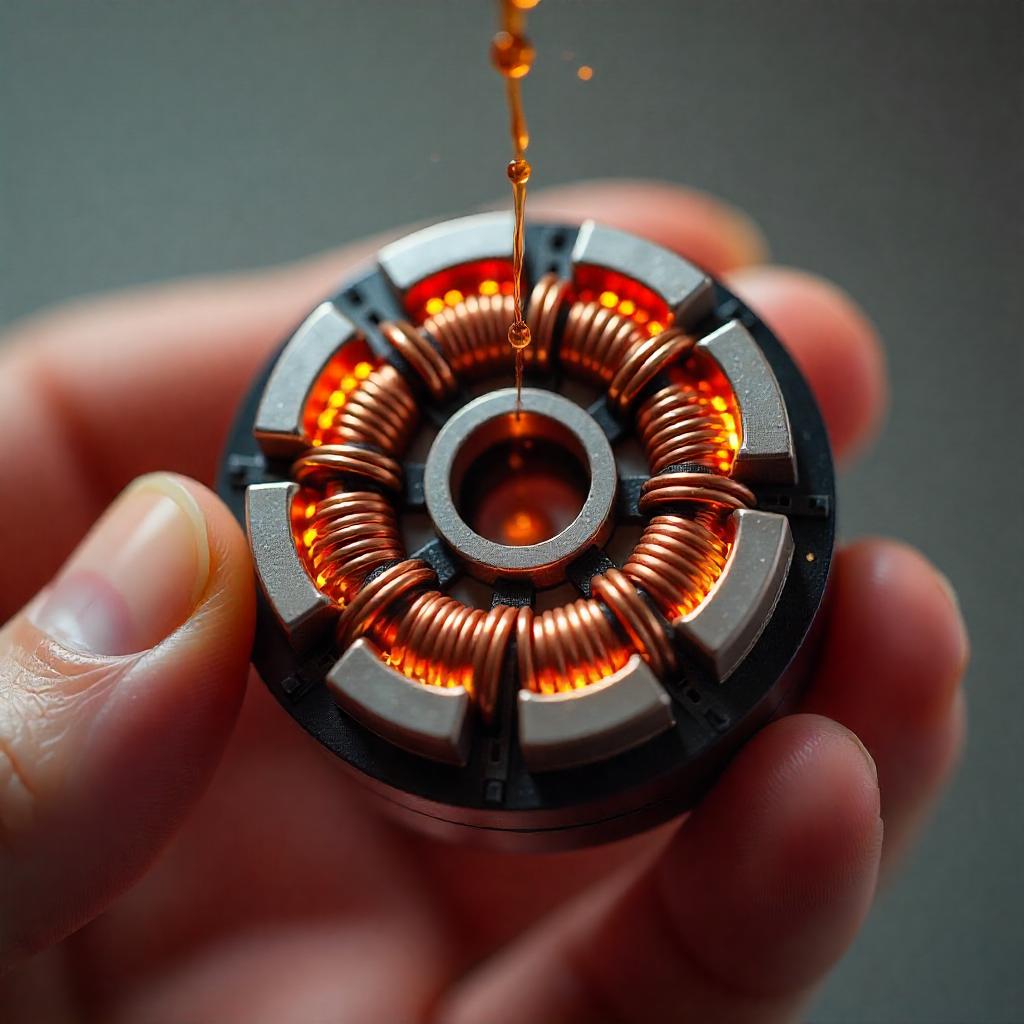
Our high-bond strength impregnating resins penetrate densely packed motor coils and windings, locking conductors in place, reducing vibration, and improving mechanical stability for motors, generators, and transformers in demanding duty conditions.

Enhanced Electrical Insulation Performance

Formulated as epoxy resin for electrical insulation, our systems improve dielectric strength, resistance to partial discharge, and moisture protection, ensuring stable performance in HV/LV transformer windings and critical power equipment.

High-Temperature Resistant Resin Systems

Our electrical-grade polyester-imide resins and unsaturated polyester impregnating resins maintain insulation integrity under continuous high-temperature operation, supporting reliable performance in heavy-duty motors, generators, and industrial rotating machines.

Extended Service Life of Electrical Equipment

By minimizing voids, preventing insulation cracking, and improving bond strength, our resin for motor coil impregnation processes helps extend the operational life of motors, transformers, alternators, and electronic components used in industrial applications.

Low VOC and Process-Friendly Formulations

As a low VOC impregnating resin manufacturer, Bawa Polymers designs resins with reduced emissions, excellent flow and wetting properties, supporting safer working environments and reliable curing in modern impregnation production lines.
Applications

Versatile Impregnating Resins for Critical Applications

Versatile Impregnating Resins for Critical Applications

Electric Motors – Our resin for motor coil impregnation processes provides deep penetration, strong bonding, and improved heat dissipation, extending the service life of industrial, domestic, and automotive motors operating in demanding environments.


Transformers – Resin for HV/LV transformer windings delivers void-free impregnation, superior dielectric strength, and thermal stability, making it suitable for distribution, power, and instrument transformers exposed to fluctuating electrical and thermal loads.


Generators – Our high-bond strength impregnating resins enhance insulation stability in generator windings, reducing coil movement, partial discharge, and mechanical fatigue during continuous high-speed, high-load operation in power generation applications.


Coils and Windings – As an impregnating resin supplier and industrial resin manufacturer India, Bawa Polymers supplies resins that bond and reinforce coils and windings, preventing vibration-related damage, micro-cracking, and early insulation failure.


Armatures – Our impregnating resin solutions secure conductors in armatures, improving mechanical robustness, reducing noise and vibration, and enhancing efficiency in motors and rotating electrical machines used across industrial applications.


Relays and Solenoids – Electrical-grade polyester-imide resins and epoxy resin for electrical insulation provide a durable impregnating matrix, ensuring reliable switching performance and dimensional stability for relays, solenoids, and control devices.


Compressors and Pumps – Motors in compressors and pumps benefit from high-bond strength impregnating resins that resist thermal shock, mechanical stress, and moisture ingress, supporting consistent performance in harsh industrial conditions.


Fans and Appliances – Our low VOC impregnating resin systems secure windings in fans and household appliances, improving electrical safety, noise levels, and operational stability throughout the product lifecycle.


Electronic Components – Bawa Polymers’ impregnating resins reinforce coils in chokes, inductors, and other electronic components, providing excellent electrical insulation, mechanical strength, and resistance to environmental influences.

Industries We Served

Impregnating Resin Excellence for Every Industry

Bawa Polymers is a trusted industrial impregnating resin exporter and impregnating resin manufacturer, supplying unsaturated polyester impregnating resins, electrical-grade polyester-imide resins, and epoxy resin for electrical insulation to automotive, electrical, power, appliance, and industrial sectors.
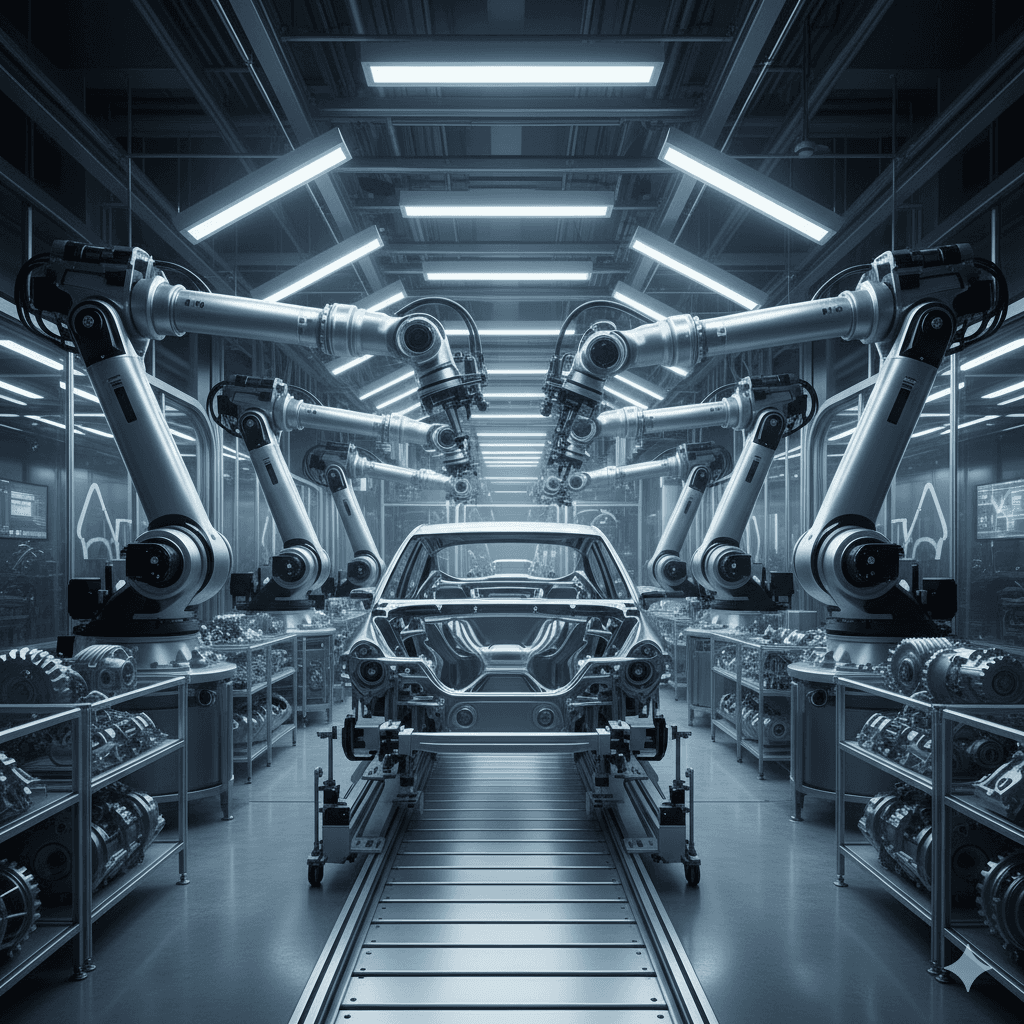
Automobile

Renewable
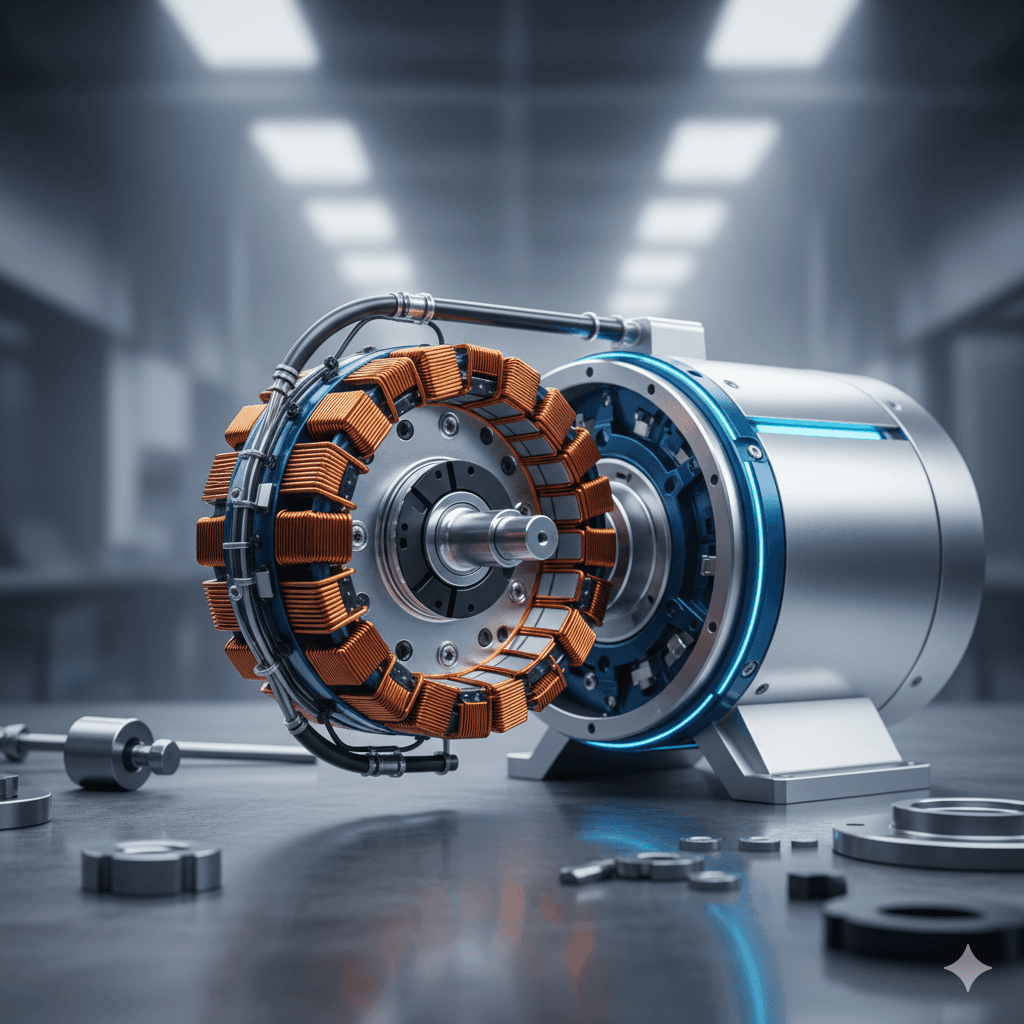
Electronics

Industry
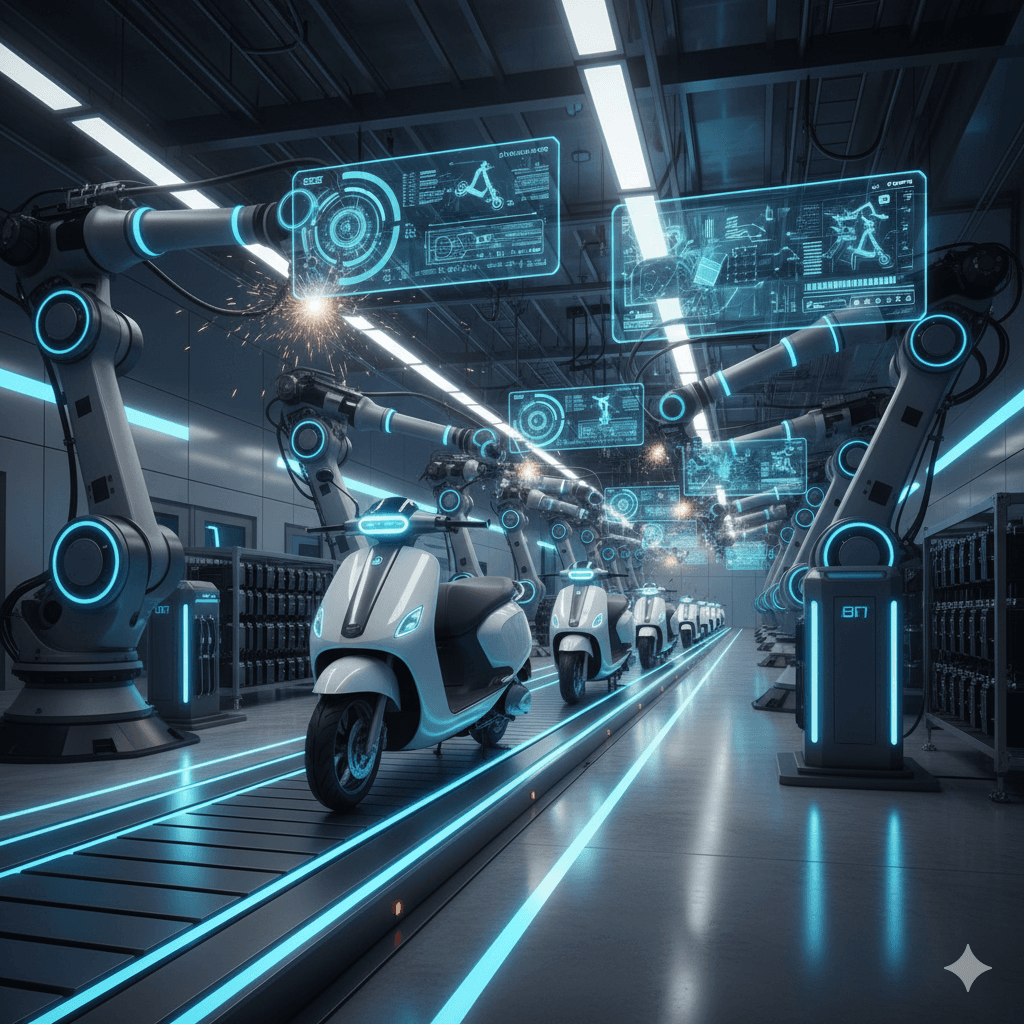
EV

Frequently Ask Questions

Frequently Ask Questions

What are impregnating resins and how do they function in electrical insulation systems?

Impregnating resins are engineered polymer systems designed to infiltrate conductor windings and porous substrates under thermal, mechanical, or vacuum-pressure conditions. Their primary function is to establish a consolidated dielectric matrix by minimising void content, enhancing interlaminar bonding, and stabilising the insulation system against thermo-oxidative and electro-dynamic stresses.

What defines the thermal classification (Class F / Class H) of impregnating resins?

Thermal class depends on the polymeric backbone, crosslink density, and long-term thermal ageing characteristics of the resin system. Class F systems typically operate within the 155 °C thermal index range, whereas Class H systems utilise modified polyester-imide architectures or synergistic hybrid chemistries validated to withstand 180 °C thermal ageing cycles under IEC/UL protocols.

In what ways do impregnating resins influence coil performance and reliability?

Properly cured resin systems contribute to vibration damping, improved partial discharge resistance, increased thermal conductivity uniformity, and dimensional stability under cycling loads. They also optimise the dielectric geometry by eliminating entrapped gases and surface microvoids that could otherwise initiate premature insulation breakdown.

. Do you offer solventless, low-VOC, or VPI-grade resin systems?

Yes. Our portfolio includes 100% solids, reduced-VOC, and controlled-viscosity resin systems compatible with VPI, dip-and-bake, and continuous-trickle processes. Each variant is formulated to maintain rheological stability, controlled reactivity and uniform polymerisation profiles across a broad range of electrical machines and winding designs.

Can curing profiles, viscosity windows, or gel characteristics be customised?

Yes. We routinely engineer application-specific adjustments such as modified molecular weight distributions, catalyst packages, rheology modifiers, and extended pot-life formulations. Customisation is performed following a technical evaluation of the end-use environment, curing protocol, and equipment constraints.

Are your impregnating resins compliant with international testing and export requirements?

Yes. We routinely engineer application-specific adjustments such as modified molecular weight distributions, catalyst packages, rheology modifiers, and extended pot-life formulations. Customisation is performed following a technical evaluation of the end-use environment, curing protocol, and equipment constraints.

What are impregnating resins and how do they function in electrical insulation systems?

Impregnating resins are engineered polymer systems designed to infiltrate conductor windings and porous substrates under thermal, mechanical, or vacuum-pressure conditions. Their primary function is to establish a consolidated dielectric matrix by minimising void content, enhancing interlaminar bonding, and stabilising the insulation system against thermo-oxidative and electro-dynamic stresses.

What defines the thermal classification (Class F / Class H) of impregnating resins?

Thermal class depends on the polymeric backbone, crosslink density, and long-term thermal ageing characteristics of the resin system. Class F systems typically operate within the 155 °C thermal index range, whereas Class H systems utilise modified polyester-imide architectures or synergistic hybrid chemistries validated to withstand 180 °C thermal ageing cycles under IEC/UL protocols.

In what ways do impregnating resins influence coil performance and reliability?

Properly cured resin systems contribute to vibration damping, improved partial discharge resistance, increased thermal conductivity uniformity, and dimensional stability under cycling loads. They also optimise the dielectric geometry by eliminating entrapped gases and surface microvoids that could otherwise initiate premature insulation breakdown.

. Do you offer solventless, low-VOC, or VPI-grade resin systems?

Yes. Our portfolio includes 100% solids, reduced-VOC, and controlled-viscosity resin systems compatible with VPI, dip-and-bake, and continuous-trickle processes. Each variant is formulated to maintain rheological stability, controlled reactivity and uniform polymerisation profiles across a broad range of electrical machines and winding designs.

Can curing profiles, viscosity windows, or gel characteristics be customised?

Yes. We routinely engineer application-specific adjustments such as modified molecular weight distributions, catalyst packages, rheology modifiers, and extended pot-life formulations. Customisation is performed following a technical evaluation of the end-use environment, curing protocol, and equipment constraints.

Are your impregnating resins compliant with international testing and export requirements?

Yes. We routinely engineer application-specific adjustments such as modified molecular weight distributions, catalyst packages, rheology modifiers, and extended pot-life formulations. Customisation is performed following a technical evaluation of the end-use environment, curing protocol, and equipment constraints.

What are impregnating resins and how do they function in electrical insulation systems?

Impregnating resins are engineered polymer systems designed to infiltrate conductor windings and porous substrates under thermal, mechanical, or vacuum-pressure conditions. Their primary function is to establish a consolidated dielectric matrix by minimising void content, enhancing interlaminar bonding, and stabilising the insulation system against thermo-oxidative and electro-dynamic stresses.

What defines the thermal classification (Class F / Class H) of impregnating resins?

Thermal class depends on the polymeric backbone, crosslink density, and long-term thermal ageing characteristics of the resin system. Class F systems typically operate within the 155 °C thermal index range, whereas Class H systems utilise modified polyester-imide architectures or synergistic hybrid chemistries validated to withstand 180 °C thermal ageing cycles under IEC/UL protocols.

In what ways do impregnating resins influence coil performance and reliability?

Properly cured resin systems contribute to vibration damping, improved partial discharge resistance, increased thermal conductivity uniformity, and dimensional stability under cycling loads. They also optimise the dielectric geometry by eliminating entrapped gases and surface microvoids that could otherwise initiate premature insulation breakdown.

. Do you offer solventless, low-VOC, or VPI-grade resin systems?

Yes. Our portfolio includes 100% solids, reduced-VOC, and controlled-viscosity resin systems compatible with VPI, dip-and-bake, and continuous-trickle processes. Each variant is formulated to maintain rheological stability, controlled reactivity and uniform polymerisation profiles across a broad range of electrical machines and winding designs.

Can curing profiles, viscosity windows, or gel characteristics be customised?

Yes. We routinely engineer application-specific adjustments such as modified molecular weight distributions, catalyst packages, rheology modifiers, and extended pot-life formulations. Customisation is performed following a technical evaluation of the end-use environment, curing protocol, and equipment constraints.

Are your impregnating resins compliant with international testing and export requirements?

Yes. We routinely engineer application-specific adjustments such as modified molecular weight distributions, catalyst packages, rheology modifiers, and extended pot-life formulations. Customisation is performed following a technical evaluation of the end-use environment, curing protocol, and equipment constraints.